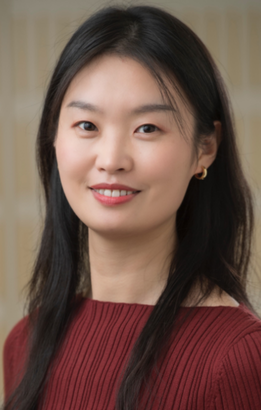
Chao Dong
Research Associate
University of Cambridge
Email: cd888@cam.ac.uk
Phone: 07386802593
LinkedIn
Google Scholar
A Bit About Me
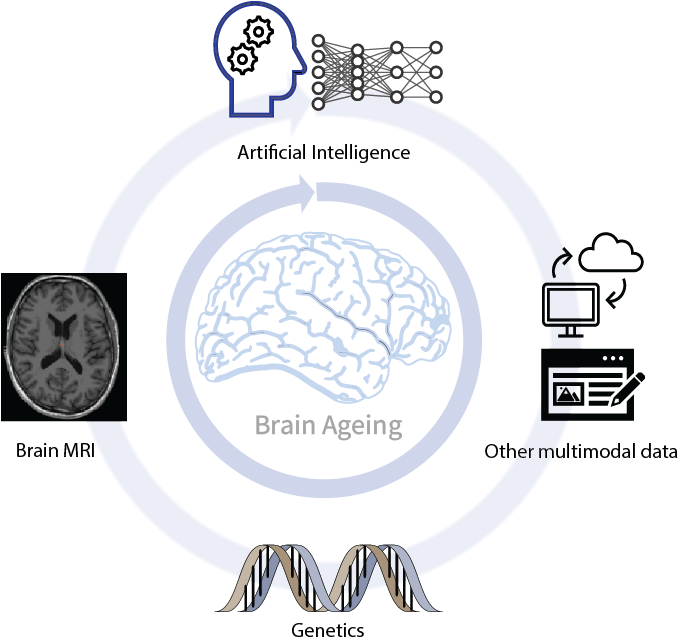
I am currently a Research Associate at the University of Cambridge, affiliated with Trinity College. My research focuses on dementia diagnosis using machine learning. With a multidisciplinary approach combining biomedical engineering, neuroimaging, neuroscience, and machine learning techniques, my research aims to deepen our understanding of human longevity mechanics, ageing-related diseases, genetic determinants of brain structure, and the identification of reliable brain ageing or dementia biomarkers. My PhD thesis is “Genetic and environmental influences on human brain changes in ageing”. I earned my bachelor’s and master’s degrees in Biomedical Engineering before obtaining my PhD in Psychiatry from the University of New South Wales (UNSW) in 2024, supported by the prestigious Scientia PhD Scholarship. During my time at the Centre for Healthy Brain Ageing (CHeBA) at UNSW, I conducted research under the guidance of my supervisors: Wei Wen, Karen A. Mather, Anbupalam Thalamuthu, Perminder S. Sachdev, and Jiyang Jiang.
Research Themes
Work Experiences
- 2024—2025 Research Associate — University of Cambridge.
- 2023—2023 Research Assistant (casual) — University of New South Wales.
- 2017—2018 Marketing Assistant (part-time) — Johnson & Johnson Company.
List of Projects
AI-guided detection of Alzheimer’s disease based on blood markers and cognition
Recent studies suggest that non-invasive blood biomarkers such as plasma phospho-tau (pTau) and neurofilament light chain (NfL) can predict progression to Alzheimer’s disease (AD). Using data from the Bio-Hermes study, we developed an interpretable and robust machine learning model to classify cognitively normal (CN), mild cognitive impairment (MCI), and probable AD cases. We investigated whether substituting β-amyloid PET with blood biomarkers and cognitive assessments enables accurate and accessible AD detection. Our findings demonstrate that blood markers—particularly pTau217 and NfL—significantly enhance predictive performance, offering a promising, cost-effective alternative for early dementia diagnosis in clinical and research settings.
7T Laminar MRI preprocessing and functional connectivity analysis
We conducted preprocessing of 7T laminar task-based fMRI data using SPM12 to ensure high spatial accuracy and tissue-specific alignment. The preprocessing pipeline included realignment, co-registration, normalization, and segmentation, tailored for ultra-high-field data. Following preprocessing, network-based functional connectivity analysis was performed to investigate brain network dynamics. This approach enables a deeper understanding of laminar contributions to brain function, advancing our ability to resolve neural circuits with submillimetre precision and contributing novel insights into cortical organization and functional integration in high-resolution neuroimaging studies.
Hippocampus-centred brain age prediction using deep learning
Brain age has often been studied using whole-brain imaging. In this study, we developed age prediction models focused on left and right hippocampus-centred regions of interest (hippocampus ROI) using three-dimensional convolutional neural networks (3D-CNN) trained on MRI scans from 31,370 healthy UK Biobank participants. We computed the hippocampus ROI age (HA) gap by subtracting chronological age from predicted HA. APOE ε4 homozygotes showed significantly greater HA gaps than non-carriers. Individuals with hypertension, diabetes, heavy alcohol use, or smoking also exhibited larger HA gaps. Transfer learning applied to an independent dataset validated these findings, confirming consistent brain ageing patterns.
Brain structural covariances and genetic architecture of brain imbalance mapping
Morphological properties of brain regions often co-vary with one another. In this study, we examined structural covariance of cortical thickness and subcortical volumes in the ageing brain using cross-sectional data from over 40,000 UK Biobank participants. We assessed associations with age, cognition, and hand grip strength, and performed genome-wide association studies (GWAS) to explore the genetic architecture underlying brain imbalance. Our findings revealed significant age-related changes in structural covariance, including increased variance and decreased entropy, suggesting altered brain organization with ageing. These patterns were linked to cognitive performance and physical health, offering insights into brain ageing and its genetic basis.
Associations between human longevity, genetics, and brain MRI metrics
Human longevity is moderately heritable, influenced by both genetic and environmental factors. In this study, we used a discovery sample from the UK Biobank and a replication sample from the Sydney Memory and Ageing Study (MAS) and the Older Australian Twins Study (OATS) to examine associations between brain structure and two longevity indicators: parental lifespan and polygenic risk score (longevity-PRS). We focused on MRI-derived brain metrics, including white matter hyperintensities (WMHs), total grey matter, and cortical volumes. Longer parental lifespan and higher longevity-PRS were significantly associated with lower WMH volumes, suggesting healthier brain ageing.
Neuroimaging of healthy ageing and subjective cognitive decline by rs-fMRI
Ageing is linked to alterations in brain functional connectivity and cognitive performance. This study examined longitudinal changes in whole-brain functional connectivity strength (FCS) and cognition in 34 cognitively unimpaired elderly individuals assessed at baseline and after four years. Participants underwent resting-state fMRI, structural MRI, and neuropsychological testing. Voxel-based analysis revealed decreased FCS in bilateral superior parietal and medial frontal regions, and increased FCS in the supplementary motor area and insula, alongside reduced prefrontal cortical thickness. Notably, FCS changes in the left precuneus were associated with global cognitive decline. These findings highlight the precuneus as a functional hub in brain ageing.
Publications
- Dong, C., Mather, K., Brodaty, H., Sachdev, P. S., Trollor, J., Harrison, F., … & Dai, Z. (2025). The Role of Nutrition and Other Lifestyle Patterns in Mortality Risk in Older Adults with Multimorbidity. Nutrients, 17(5), 796. Link
- Dong, C., Pan, Y., Thalamuthu, A., Jiang, J., Du, J., Mather, K. A., ... & Wen, W. (2024). Deep learning-derived age of hippocampus-centred regions is influenced by APOE genotype and modifiable risk factors. medRxiv, 2024-10. Link
- Dong, C., Thalamuthu, A., Jiang, J., Mather, K. A., Sachdev, P. S., & Wen, W. (2024). Brain structural covariances in the ageing brain in the UK Biobank. Brain Structure and Function, 229(5), 1165–1177. Link
- Dong, C., & Hayashi, S. (2024). Deep learning applications in vascular dementia using neuroimaging. Current Opinion in Psychiatry, 37(2), 101–106. Link
- Dong, C., Thalamuthu, A., Jiang, J., Mather, K. A., Brodaty, H., Sachdev, P. S., & Wen, W. (2022). Parental life span and polygenic risk score of longevity are associated with white matter hyperintensities. The Journals of Gerontology: Series A, 77(4), 689–696. Link
- Liu, H., Liu, T., Jiang, J., Cheng, J., Liu, Y., Li, D., ... & Wen, W. (2020). Differential longitudinal changes in structural complexity and volumetric measures in community-dwelling older individuals. Neurobiology of Aging, 91, 26–35. Link
- Li, Q., Dong, C., Liu, T., Chen, X., Perry, A., Jiang, J., ... & Wen, W. (2020). Longitudinal changes in whole-brain functional connectivity strength patterns and the relationship with the global cognitive decline in older adults. Frontiers in Aging Neuroscience, 12, 71. Link
- Dong, C., Liu, T., Wen, W., Kochan, N. A., Jiang, J., Li, Q., ... & Sachdev, P. S. (2018). Altered functional connectivity strength in informant-reported subjective cognitive decline: a resting-state functional magnetic resonance imaging study. Alzheimer's & Dementia: Diagnosis, Assessment & Disease Monitoring, 10, 688–697. Link
See my Google Scholar.
Conference Presentations
- Dong, C., … Kourtzi, Z. AI-guided tool for early dementia prediction based on blood marker and cognitive data outperforms PET biomarker-based predictions. Dementias Platform UK, 2025. Talk & Poster
- Dong, C., Thalamuthu, A., Jiang, J., Mather, K. A., Brodaty, H., Sachdev, P. S., Wen, W. Brain anatomical imbalance mappings: associations with cognitive abilities, hand grip strength, and sequence variants. 2023 Annual Meeting of the Organization for Human Brain Mapping (OHBM), Montréal, Canada, July 22–26, 2023. Poster No: 2238.
- Dong, C., Pan, Y., Thalamuthu, A., Jiang, J., Mather, K. A., Sachdev, P. S., Wen, W. The 1st Australian UK Biobank Research Symposium, Brisbane, Australia, February 7–8, 2024.
- Dong, C., Pan, Y., Thalamuthu, A., Jiang, J., Mather, K. A., Brodaty, H., Sachdev, P. S., Wen, W. The brain age of hippocampus-centred regions and associations with APOE genotype. The 30th Organization for Human Brain Mapping (OHBM) Annual Meeting, Seoul, Korea.
Awards
- Scientia PhD Scholarship – Australia’s Premier Research Award
The Scientia PhD Scholarship is the most prestigious and competitive scholarship at the University of New South Wales (UNSW), Australia. It is designed to attract the brightest and most talented researchers from around the world, providing them with the resources and opportunities to excel in their chosen fields. This scholarship embodies excellence, leadership, and impact, making it the top PhD scholarship in Australia.
Membership
- Member of the Organization for Human Brain Mapping (OHBM), the primary international organization dedicated to neuroimaging.
- Member of the Medical Image Computing and Computer Assisted Intervention Society (MICCAI), a leading international forum for medical image computing, computer-assisted intervention, and medical robotics.
Skills
- Experienced in data processing using R, Python, and MATLAB.
- Experienced in multi-modal neuroimaging MRI analysis, including functional MRI and structural MRI (using tools in Python and MATLAB).
- Proficient in neuroimaging related software packages such as FSL, FreeSurfer, SPM, and fMRIPrep.
- Skilled in machine learning applications (e.g., CNNs) in neuroimaging data using PyTorch.
- Experienced in large multi-modal data processing Linux High Performance Computing (HPC).
- Willingness to go the extra mile to ensure project success.
News
- Chao Dong | Meet Our Researcher Series
- Publication News: Human longevity associated with brain white matter hyperintensities
Others
- Outside of research, I enjoy cooking, spending time in nature, photography, and I am a big fan of dresses!